

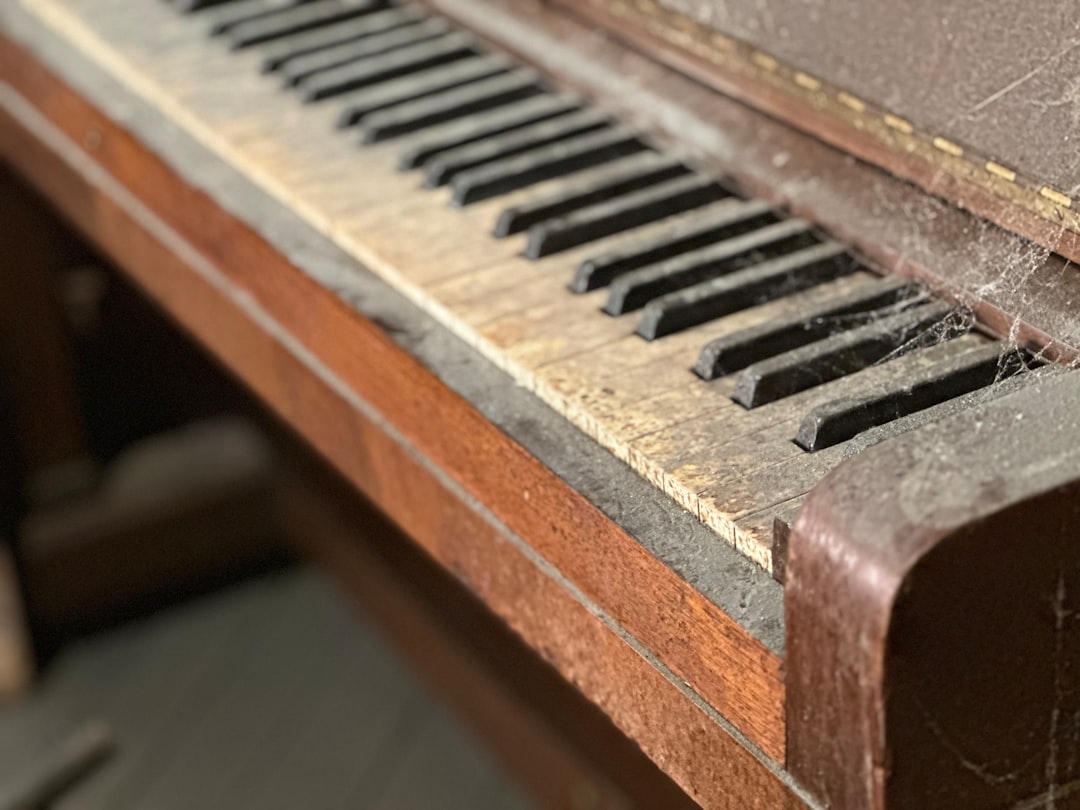
The biggest challenges for beginner pianists
When starting to learn the piano, it is common to encounter several obstacles that hinder progress and often lead to frustration or even discouragement. Poor posture, inconsistent practice, sloppy fingering, or neglecting music theory are all concrete problems that can quickly undermine motivation.
These challenges have been extensively documented by numerous educators and recent resources, highlighting the importance of a structured approach to effectively learning this demanding instrument.
The most common pitfalls
- Poor posture: A hunched back, tense shoulders, bent wrists, or stiff fingers can lead to pain, muscle fatigue, and mistakes. This tension hinders precision and fluidity in play.
- Irregular practice: Sessions that are too far apart or occasionally too long can lead to stagnation and a loss of progress. It’s best to practice daily; even 15 to 30 minutes is enough.
- Playing too fast too soon: Rushing leads to rhythmic mistakes and superficial memorization. Practicing slowly with a metronome is essential for solid progress.
- Neglecting music theory: Relying solely on visual or auditory memory limits your independence and your ability to explore new pieces.
- Poor finger technique: Improvising finger placement hinders fluidity and precision, making passages more difficult.
- Lack of hand coordination: Coordinating the right and left hands takes time and specific exercises.
- Pieces that are too challenging: Choosing pieces that are beyond your skill level can quickly become discouraging.
- Lack of active listening: Playing mechanically without analyzing your own game prevents you from making effective progress.
- Ineffective time management: Practicing without clear goals or a balance between technique, theory, and repertoire can lead to a loss of motivation.
Tips for moving forward with confidence
To overcome these challenges, it is crucial to adopt a thoughtful and personalized approach:
- Create a practice plan: Set weekly goals that combine technique, music theory, and pieces. If possible, work with a teacher who can guide you and help you adjust your progress.
- Practice slowly and in sections: Practice each hand separately, use a metronome to maintain a steady tempo, and focus on short passages rather than the entire piece right from the start.
- Incorporate daily technical exercises: scales, arpeggios, finger-stretching exercises, and coordination exercises are the key to playing with greater ease.
- Follow the recommended fingerings: They make transitions easier and help you play more smoothly. Video tutorials can be a great supplement.
- Improve your music theory skills: Reading sheet music and understanding rhythm and chords will greatly enhance your ability to learn new pieces and improvise on your own.
- Record yourself and listen back: This practice will help you identify your mistakes, refine your nuances, and draw inspiration from your favorite performers.
- Accept mistakes: They’re part of the learning process. Correct them patiently and without frustration to build a solid foundation.
An innovative tool to help you track your progress
In this structured learning process, certain digital tools can be very helpful in helping you practice more regularly and independently. For example, Piano LED offers a key lighting system that makes it easier to memorize fingerings and learn sheet music, while making practice more fun and interactive. By combining this technology with a rigorous method, you’ll optimize your progress and avoid a lot of frustration.
Conclusion: Perseverance and the right tools are key to success
Learning to play the piano takes time, patience, and good organization. By correcting common beginner mistakes and establishing a suitable routine, you’ll make faster progress and enjoy the process. To help you on this journey, Piano LED is a complementary solution that can transform the way you practice. Don’t hesitate to discover this innovative tool to make your learning even more effective.


Leave a comment
All comments are moderated before publication.
This site is protected by hCaptcha, and hCaptcha's Privacy Policy and Terms of Service apply.